
Why Major Change is Needed

The Problems with Current Agricultural Practices


Industrial Agriculture is Unsustainable

Industrial-scale agriculture took off after World War II with the need to find ways of feeding impoverished communities at scale, utilising post-war chemical processes which switched from the making of chemical explosives to nitrogen-based fertilisers.

It has taken several generations to appreciate that this form of farming is unsustainable. Depending on the data source, somewhere between 30 and 50% of all carbon that has been added to the atmosphere, and which is now implicated in the anthropogenic component of global warming, is derived from soil due to these practices. Recent estimates put the loss of carbon in soil across the United States prairies by farming as croplands as high as 60%.
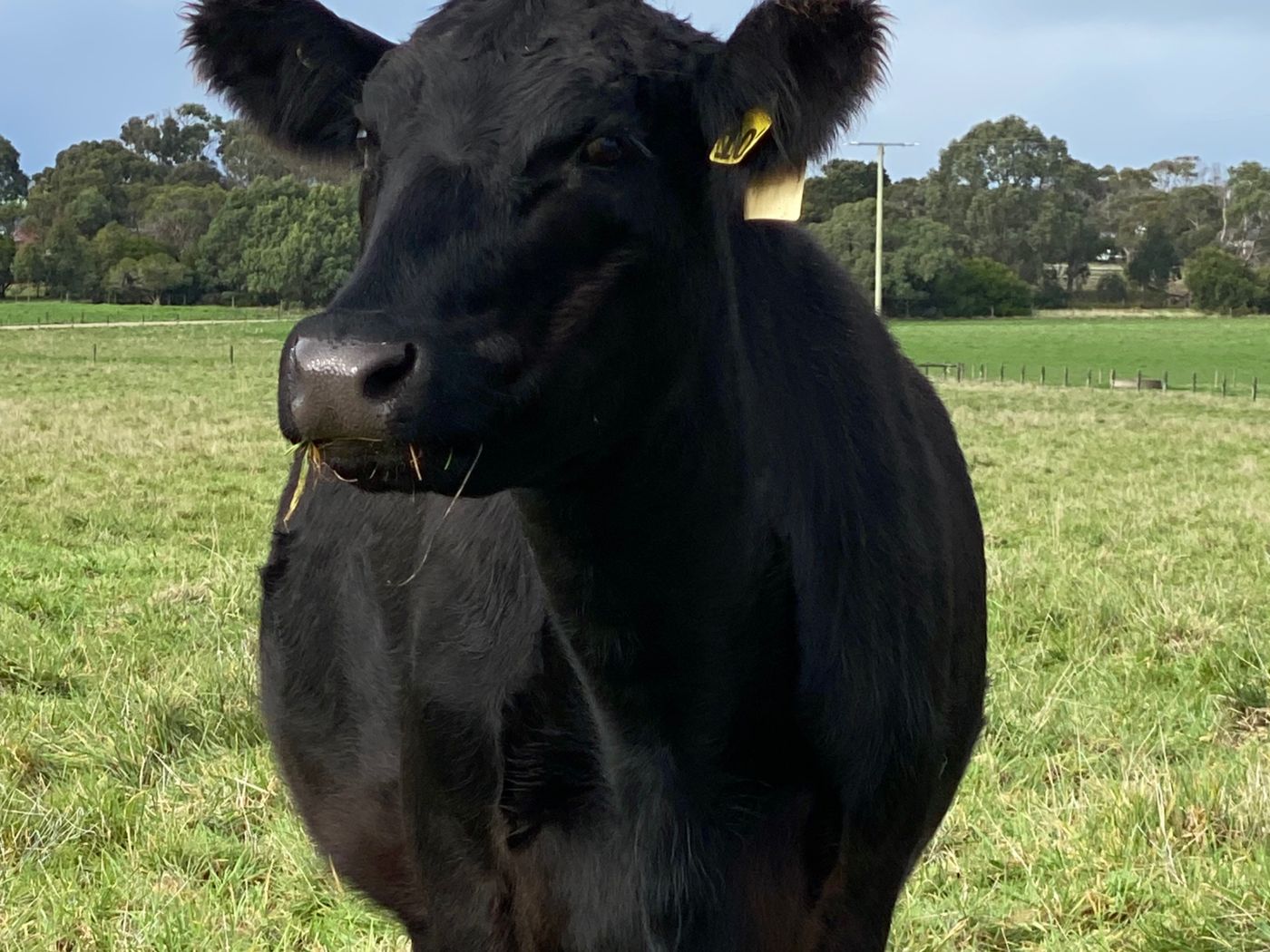
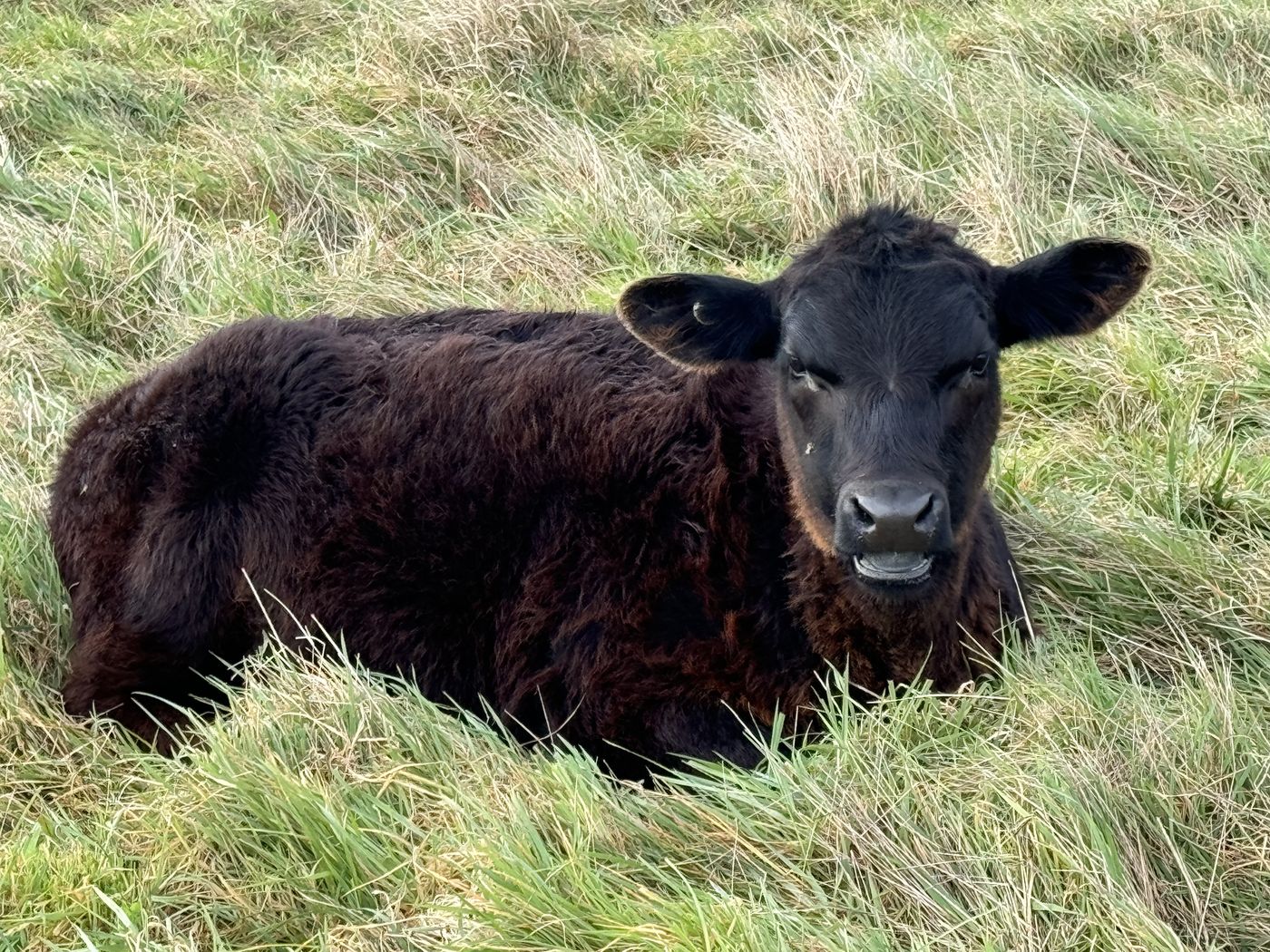
With Regenerative Everyone Benefits

In Australia, it has been shown that adopting rotational grazing practices, and using a low-input approach can restore soil carbon levels. The benefits include improving soil quality, less water runoff and erosion, increased phytonutrient content and healthier ratios of Omega 3 to Omega 6 fatty acids in grazing animal protein, and greater animal carrying capacity on the land.

The consumer is provided healthier food, and the farmer has a healthier, more productive, and more profitable farm. Daily grazing rotations ensure that there is constant contact between grazing animals and farmer which engenders a more trusting and less stressful relationship.

Close-up of a black Angus cow with an ear tag An Angus cow resting in long pasture

Get in touch with any questions

Address

309 Paterson Road
Yanakie, Victoria, 3960
Australia

Contact

+61 411 62 62 73

Please fill out the form: